
Gen Z: authenticity police, moral compass wielders, brand critics extraordinaire.
They can spot a fake from a mile away, and they're not afraid to call it out. If the brands they interact with don't measure up, they'll hear about it—loudly and publicly. Marketing to them feels like approaching the cool table at the cafeteria, but they're also largely on the right side of history. Rising to the challenge of their standards just might make our brands, our businesses, and our world a little bit better. We consulted consumer trends, social listening data, and our fabulously talented and gracious Gen Z interns on what makes Gen Z tick, and what gives them the ick.
Who are Gen Z?
Gen Z, nestled between millennials and Generation Alpha, challenges the status quo with a unique blend of resilience and determination. Amidst climate concerns and economic uncertainties, they've grown up in a world marked by turmoil and unpredictability. This backdrop has moulded them into a generation unyielding in their pursuit of the present moment. With the weight of looming environmental crises and financial instability on their shoulders, Gen Z refuses to compromise on their values and aspirations. They demand authenticity, accountability, and action from institutions and brands alike. For them, the future is uncertain, but the urgency of the present is crystal clear. A mix of pragmatism and idealism makes up Gen Z audiences.
"Lockdown definitely made me appreciate spending time with friends more, I think it somehow made me an extrovert." - Hannah
Experiential Consumers
Gen Z, the generation of experiences over possessions, thrives on living life to the fullest. Social listening data echoes their preference for spending on enriching experiences such as travel, events, and unique activities, memorable moments, over material possessions. Lockdowns during their formative years sparked a profound appreciation for experience, heightening their eagerness to seize opportunities once restrictions eased. This emphasis on experiences also shapes their career choices. Gen Z is less inclined than its predecessors to settle for what they see as dead-end jobs or degrees. Instead, they prioritize hands-on learning, internships, and entrepreneurial endeavours that offer immediate returns. For Gen Z, life isn't about accumulating possessions or conforming to societal expectations; it's about embracing meaningful experiences that shape their futures.
In women's health specifically, this matters. Your audience (whether she's a patient navigating a new diagnosis or a clinician evaluating a new tool) lives in the same experiential, values-driven mindset. She wants to feel something real when she encounters your brand.
Tip: Create Meaningful Touchpoints
You don't need AR or VR to create an immersive brand experience. In women's health, a clear, honest, human digital experience—one that respects the emotional weight of why someone is on your website—is its own kind of immersion. Design for where your audience actually is, and what she actually needs.
"If a brand is engaging in too many trends I assume they're out of touch. Not every TikTok trend can relate to your product or service, it's okay!" - Hannah
Authenticity-seekers
What do the most scathing Gen Z prescriptions—"cheugy," "basic," and "cringe"—have in common? They're all indictments against a lack of originality, authenticity, and self-awareness. Gen Z has come of age in an era chillingly named "post-truth," where the credibility of objective facts is low and "vibes" are paramount. With this comes a healthy skepticism of traditional advertising, and an expectation of genuine, two-way engagement from brands.
This is especially high-stakes in women's health. Gen Z women are increasingly vocal about pinkwashing, performative wellness, and brands that use the language of empowerment without the substance to back it up. They know the difference between a brand that was built with care and one that slapped a uterus on a tote bag. AI-generated content and generic design templates only deepen that skepticism. Authenticity here isn't a nice-to-have—it's table stakes for trust.
Tip: Partner with real people
Instead of celebrity influencers, consider collaborating with micro-influencers who have a dedicated following within niche communities relevant to your brand: midwives, pelvic health physios, OB/GYNs with a community voice, and patient advocates. Showcase how these people authentically relate to your work. Specific and genuine will always outperform polished and generic.
iPad kids all grown up
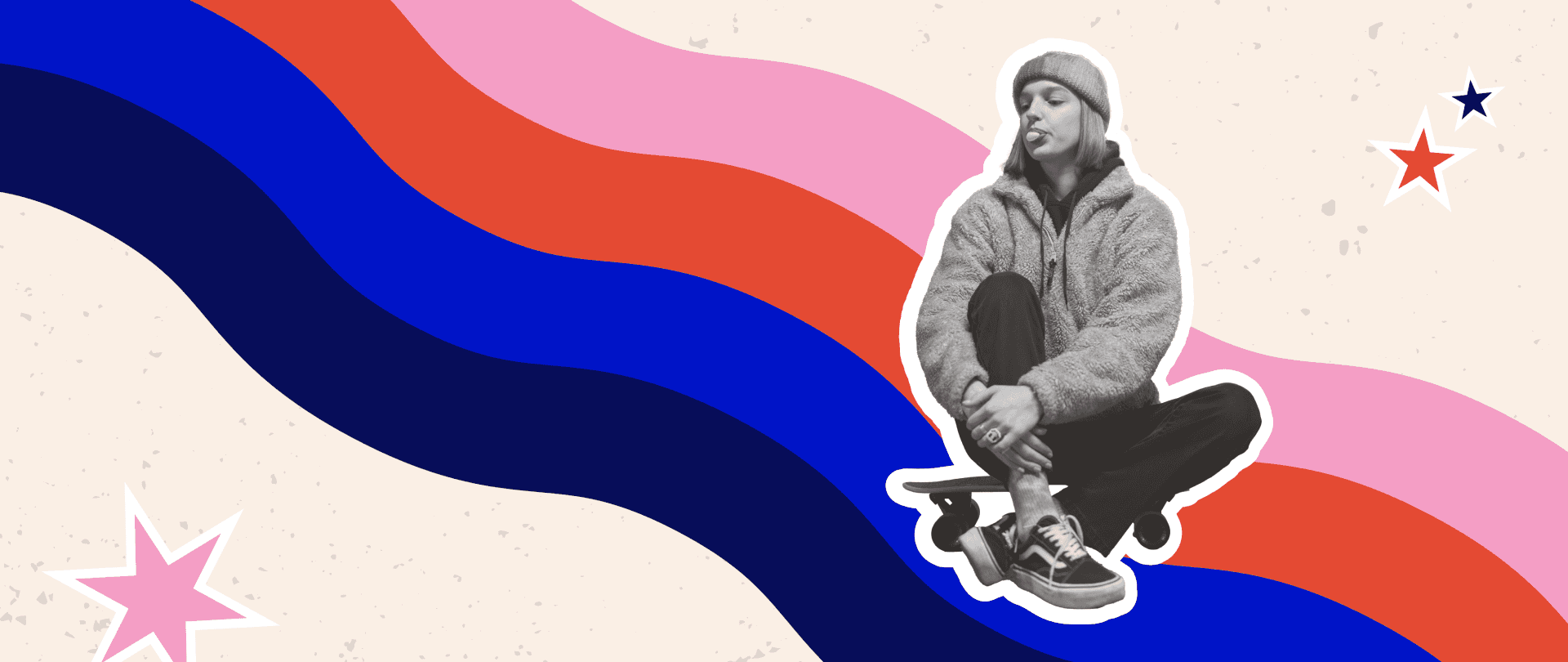
Gen Z's relationship with technology is as native as breathing—they never transitioned from analog to digital; they were born into it. This shapes their expectations for digital experiences: tactile, intuitive, and frictionless. Despite being perceived as the most tech-savvy generation, Gen Z can struggle with UX conventions that are rooted in older mental models. They navigate digitally in a non-linear way, floating through short-form video and live platforms, taking in digestible glimpses of lives all around the world.
This fluency also makes them sharp. They can immediately sense when a brand's digital experience is confused, inconsistent, or hiding something. In women's health, where your website may be the first touchpoint for someone researching something deeply personal, a cluttered or unclear digital presence doesn't just lose a click. It loses trust.
Tip: Bite-Sized, Visual Content
Optimize your content for short-form, visually clear storytelling. In women's health, this is an opportunity to demystify complex topics, normalize conversations, and demonstrate the human side of your organization—without compromising credibility. Keep it clear. Keep it honest. Make it easy to share.
"I hear a lot of my parents' generation say that Gen Z is too sensitive to things that don't matter. I think that maybe it's just because they were taught that these things are irrelevant." - Bryar
Social Responsibility and Well-being
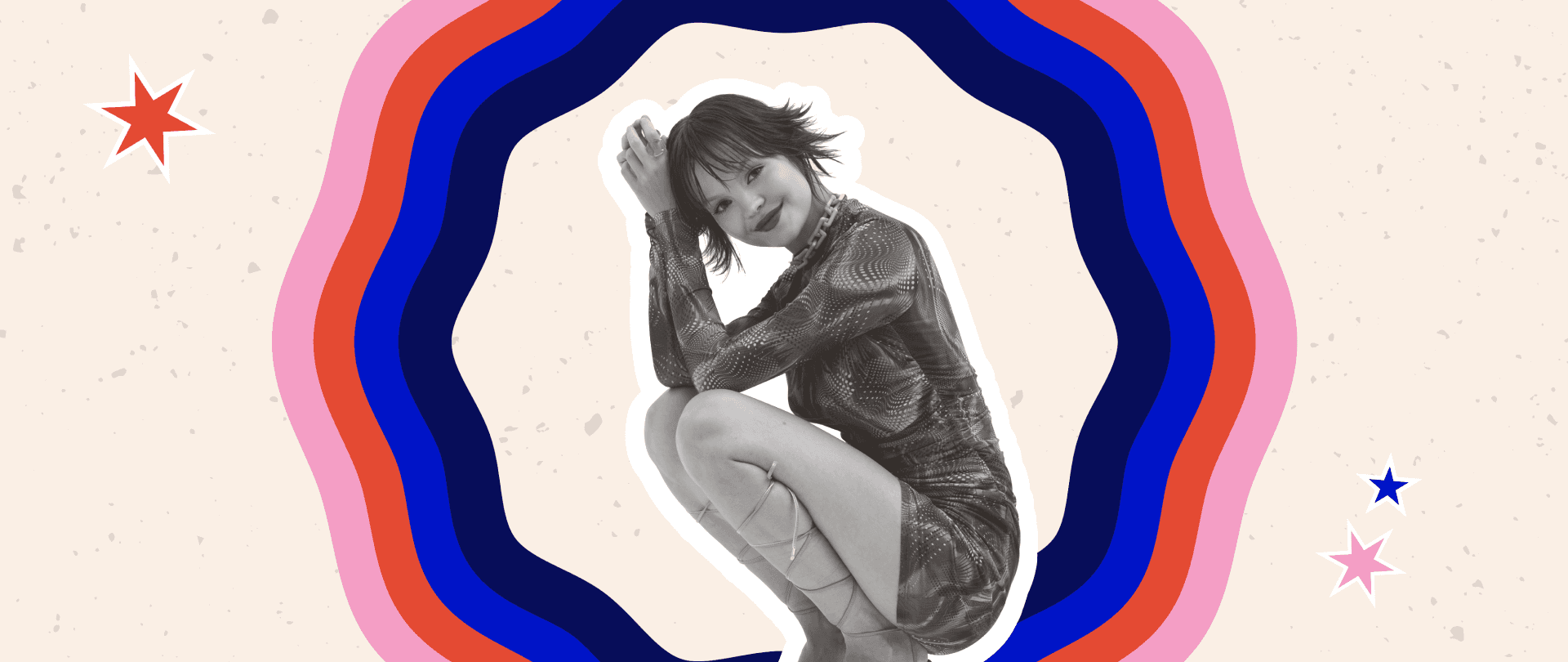
Gen Z isn't just scrolling through memes and TikTok dances; they're on a mission for social responsibility and well-being. This generation isn't afraid to tackle the big issues, from climate change to reproductive rights, head-on. They expect the brands they engage with to do the same, and women's health brands are no exception to that scrutiny. If anything, they're held to a higher standard.
Gen Z supports brands that walk the walk. They vote with their wallets, choose based on values, and call out contradictions publicly. For a women's health organization, this means the brand has to reflect the actual care and intention behind the work—not just in campaigns, but in every touchpoint Claire and her team put into the world.
Tip: "Don't Be Everything to Everyone"
Pick a lane and own it. Whether your focus is reproductive health, maternal care, femtech, or advocacy, your brand should make that focus unmistakably clear. Gen Z respects specificity. A brand that tries to speak to everyone ends up resonating with no one, and in women's health, vagueness doesn't just fail to convert. It fails to build trust.
________________________________
Adding depth and nuance to our understanding of the audience helps us find our niche and the insights that make a brand irresistible. Gen Z audience personas, while not a monolith, emphasize the experiential possibilities in the present moment and an unwavering commitment to a better future. Answering to this worldview is a hard, necessary, and rewarding challenge—especially in a category as complex and consequential as women's health. It's not enough to talk the talk; brands must authentically embody these values in every interaction, from positioning to digital experience.
At BOLD LIP, we help you take a ruthlessly empathetic look at your brand from the perspective of your real live audience. Follow us on social media for more insights through our unique lens, and contact us to book a BOLD session at hello@boldlip.ca.